The New Rules of Context Engineering for Claude 5 Models
A plain-English breakdown of how prompting and context engineering have changed for the newest Claude models. Anthropic removed over 80% of Claude Code's system prompt with no measurable loss, and this post covers why: trust the model's judgment over rigid rules, design good interfaces instead of piling on examples, and load context only when it's needed. Includes simple, memorable analogies for each shift.
26 Jul 2026 · 5 min read
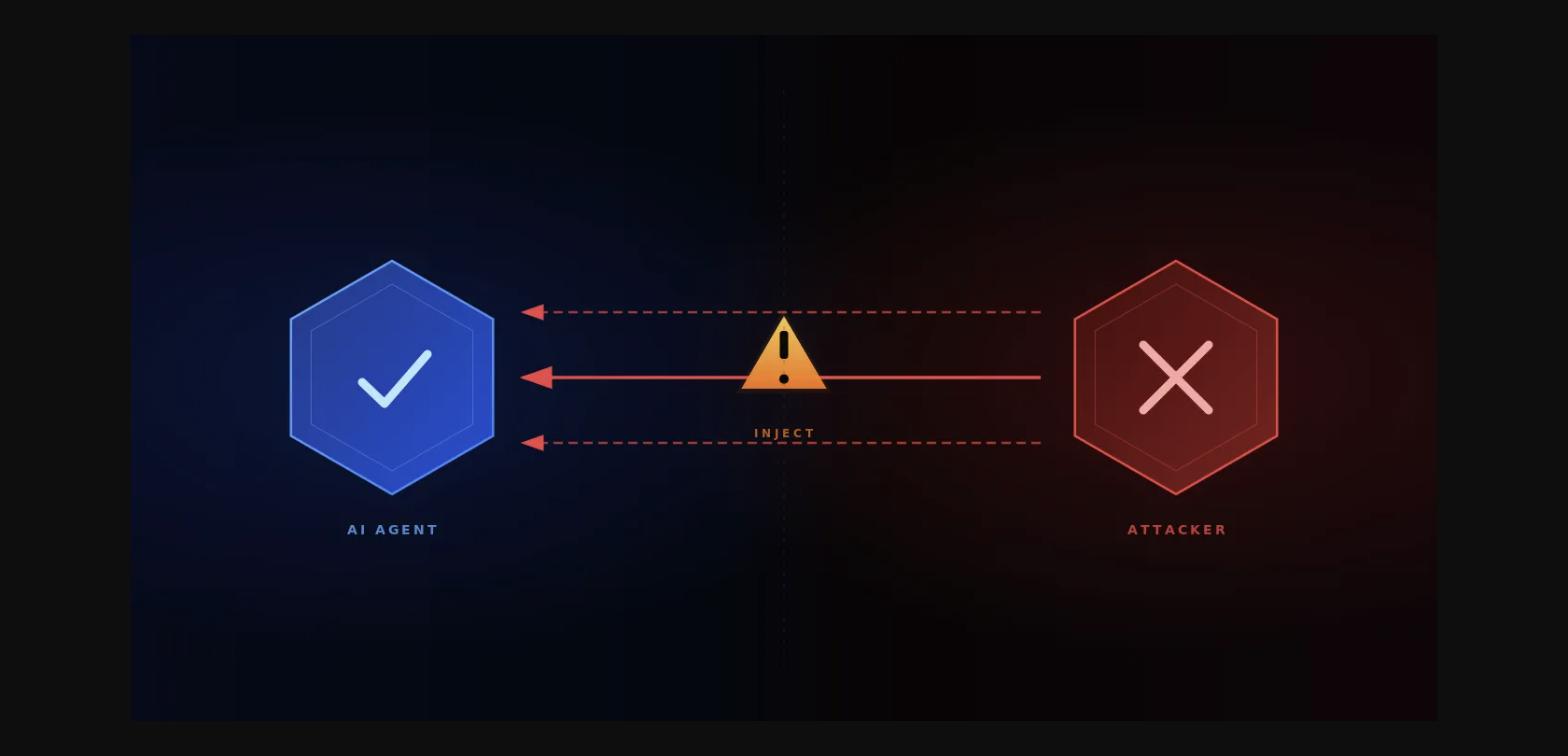
Why I'm Now Double-Checking Every Repo My AI Assistant Suggests
I've been leaning on AI coding assistants a lot lately, so a piece of security news I came across this month genuinely made me stop and rethink my workflow. Researchers have found a way to trick these tools into quietly installing malware, and the more I dug into it, the more it felt like something worth writing down. The technique has a name that stuck with me: HalluSquatting. It plays on a habit a lot of us have already noticed, which is that AI assistants sometimes invent repository names that don't actually exist. Attackers figured out they can register those made-up names ahead of time and stuff them with malicious instructions, betting that the AI will eventually hallucinate and recommend one of them. Here's the part that unsettled me. When you ask your assistant for help, it can pull code from one of these fake repos instead of the real thing, and the hidden instructions inside can push it to download and run harmful software on your machine, all while it looks like it's just doing normal project work. Reportedly this has been demonstrated against nine major tools, including Cursor, GitHub Copilot, Windsurf, Gemini CLI, and others, with success rates reaching as high as 100 percent on certain common tasks. What worries me most is how invisible it is. There's no obvious red flag, no shady download prompt. The agent follows what reads like a legitimate instruction while quietly stealing credentials, dropping backdoors, or roping the machine into a botnet. So I'm changing a few things about how I work. I'm actually reading the code my assistant suggests instead of skimming it, testing anything new in an isolated environment, and being far stricter about the permissions I hand my agents. It's a small tax on speed, but after reading this, it feels more than worth it. The tools are getting more powerful, and I'd rather they stay working for me than get turned against me.
20 Jul 2026 · 2 min read
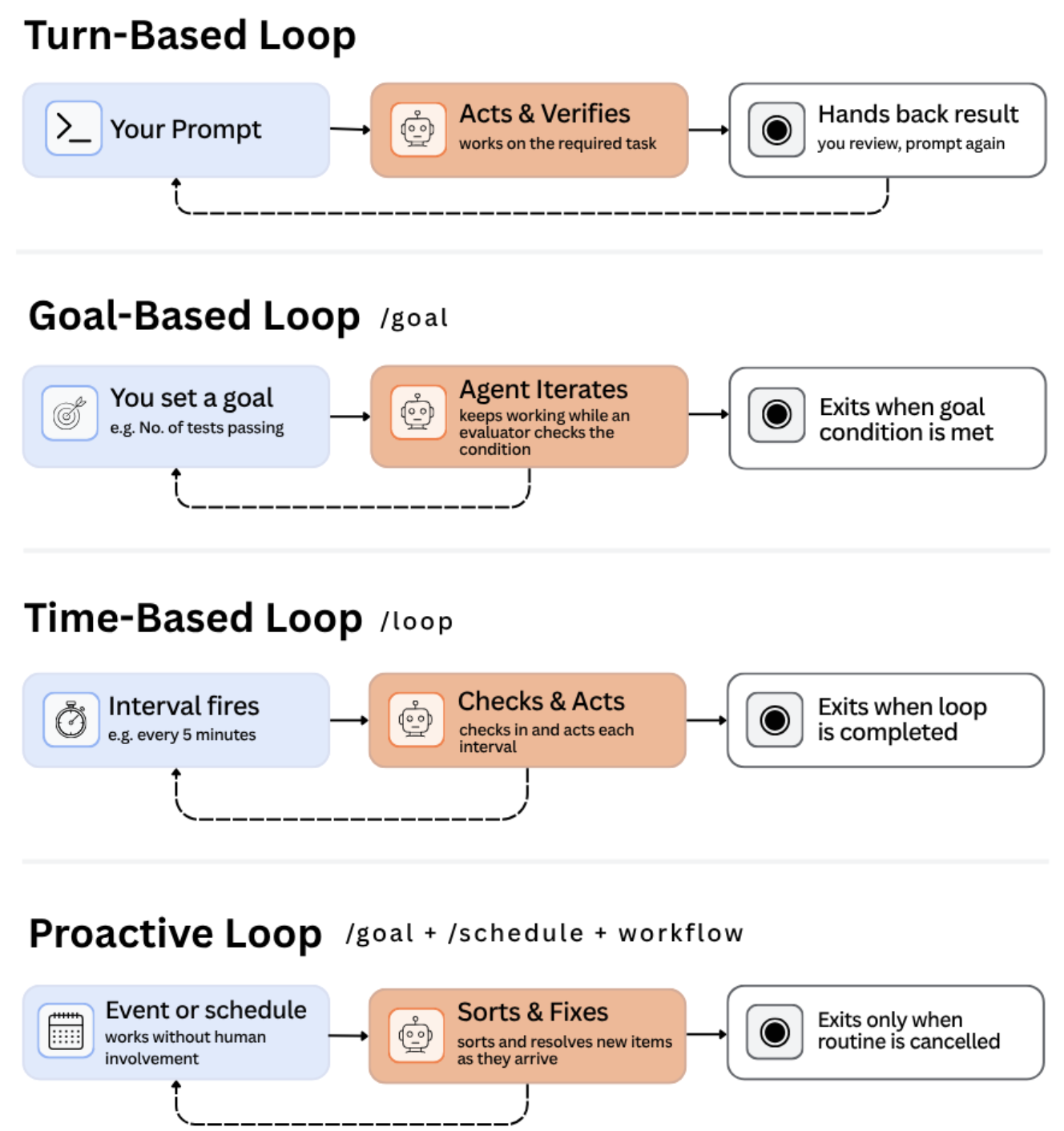
The 4 AI Agent Loops in Claude Code (Explained Simply)
A plain-English guide to the four AI agent loop types in Claude Code: turn-based, goal-based, time-based, and proactive. The one question that picks the right one, easy examples for each, and the mistakes that break loops in practice.
20 Jul 2026 · 4 min read
How OpenAI Uses Codex: 7 Real-World Engineering Use Cases and Best Practices
OpenAI's engineering teams use Codex daily across Security, Product, Frontend, API, Infrastructure, and Performance Engineering. This article explores 7 key use cases from code understanding and refactoring to performance optimization and exploration along with best practices that help teams move faster, write better code, and manage complexity at scale.
17 May 2026 · 2 min read

Ghost in the machine
I’ve always been a bit of a skeptic when an AI says it’s "happy to help." I figured it was just a sophisticated version of a pull-string doll pre-programmed politeness designed to make us feel at home.
5 Apr 2026 · 3 min read
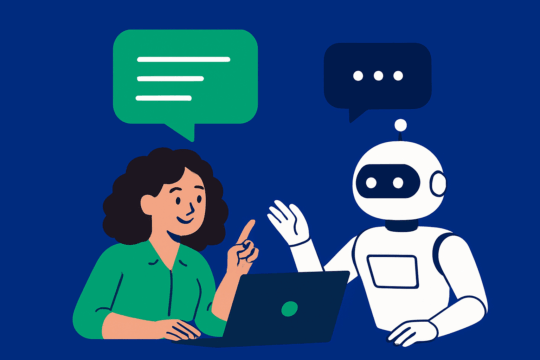
From Idea to Production: How to Write a Technical Prompt That Actually Works
AI is only as good as the brief you give it. Treat it like a senior engineer joining your team mid-sprint, the more context you hand over, the better the output.
5 Mar 2026 · 6 min read

AI Doesn’t Reduce Work, It Intensifies It
One of the promises of AI is that it can reduce workloads so employees can focus more on higher-value and more engaging tasks. But according to new research, AI tools don’t reduce work, they consistently intensify it:
22 Feb 2026 · 8 min read

Do not give up your brain
I do use AI for work, and often shill AI for work, and use it often on side projects. That being said, I really care about using AI as a tool, rather than a replacement for my own thoughts and ideas. I think it’s very important to not default to laziness and just asking for the answer to something, especially when thinking a liiiiittle bit can get you there.
6 Feb 2026 · 1 min read

How a 3D Printer With AI Became the MVP of My Server Management Stack
Running infrastructure feels like a full-contact sport. One bad outage and your SLAs go up in flames. Scaling never happens when you want it to. And hardware failures? They love showing up at 3 AM like they’re doing you a favor. I hit a point where I needed a real shift not another dashboard with neon graphs, but an actual co-pilot for ops.
5 Feb 2026 · 2 min read

Build and Use Mistral Vibe — The CLI Coding Assistant
Mistral Vibe is a modern command-line coding assistant that lets you query, explore, and modify your codebase using natural language right in the terminal. It’s like having a smart junior dev that lives in your shell and understands your whole repo.In this walkthrough, we’ll break down how to set it up, configure it, and start using it — so you can share this on your blog with no fluff and all the practicals.
17 Dec 2025 · 3 min read

Artificial intelligence glossary | 60+ terms to know
AI is moving fast and can be hard to keep up in real time. Use this glossary as a reference for AI terms.
10 Nov 2025 · 12 min read

Why Is AI Design Bad ?
AI design tools are everywhere now. If you’re a designer, you’ve probably used a handful of them to erase a background, clean up a layer stack, or power through a tedious round of resizing. Some features genuinely speed things up, but a lot of the biggest “design for you” promises bring way more clutter than insight. Let’s break down why design is so hard for AI and where it can actually help. The design challenge AI hasn’t solved (yet) AI’s sweet spot is anything that runs on clear rules.
24 Oct 2025 · 6 min read